
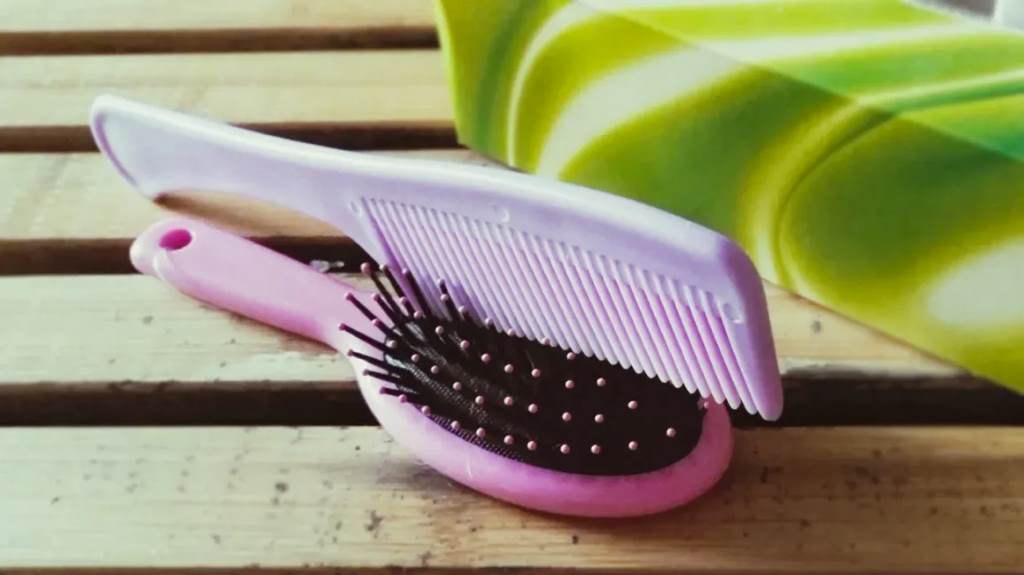
Lice infestations cause stress for many households. These tiny parasites spread quickly through direct contact or shared items like hair brushes. Knowing how to disinfect a hair brush from lice ensures a clean, safe grooming routine. This guide explains effective methods, using proven techniques and tools. Readers will learn practical steps, essential tools, and preventive tips to stop lice spread. The process involves simple steps anyone can follow at home.
This article covers cleaning methods, tools like lice combs, and safety precautions. Expect detailed instructions, a personal story, and expert advice. The goal is to empower readers with clear, actionable steps to eliminate lice from brushes. By the end, you’ll feel confident in maintaining a lice-free environment.
Why Lice Infest Hair Brushes
Lice thrive on human scalps but can survive on brushes. Adult lice and lice eggs, or nits, cling to brush bristles. Shared brushes transfer lice between users, increasing infestation risks. A single brush can harbor lice for up to 48 hours, according to the CDC. This makes disinfection critical.
Brushes, especially those with natural bristle brushes, trap lice due to their textured surfaces. Items like hair accessories and makeup brushes also pose risks if shared. Regular cleaning prevents lice transmission. Understanding this helps prioritize thorough disinfection methods.
Proper disinfection stops the cycle of reinfestation. Neglecting it risks spreading lice to others. This section explores effective cleaning techniques to ensure brushes remain safe.
Tools Needed for Disinfection
Effective disinfection requires specific tools. Gather these items before starting:
- Lice combs with metal teeth
- Hot water
- Warm water
- Washing up liquid
- Rubbing alcohol
- Plastic bags or ziplock bags
- Lice shampoo (optional)
Lice combs remove lice and nits from brushes. Hot water and washing up liquid clean bristles thoroughly. Rubbing alcohol sanitizes surfaces, killing lice on contact. Plastic bags isolate contaminated brushes during cleaning. These tools ensure a lice-free brush.
Having these items ready streamlines the process. Most are household staples, making disinfection accessible. Next, we’ll discuss the step-by-step cleaning process.
Step-by-Step Disinfection Process
Disinfecting a hair brush requires careful steps. Follow this process to ensure thorough cleaning.
First, remove hair and debris from the brush. Use a lice comb to dislodge trapped lice eggs. Place the brush in a ziplock bag to contain lice. Next, prepare a solution of hot water and washing up liquid. Submerge the brush for 10 minutes to loosen lice and nits.
After soaking, scrub the brush with a clean toothbrush. Rinse with warm water to remove soap residue. Finally, soak the brush in rubbing alcohol for one minute. This kills remaining lice. Air dry the brush to avoid damaging bristles. This method ensures a lice-free brush.
Repeat this process for all brushes in the household. Consistent cleaning prevents reinfestation. The next section covers additional cleaning methods.
Alternative Cleaning Methods
Some prefer alternative methods for disinfecting brushes. These options work well when standard tools are unavailable.
One method uses high heat. Place the brush in a sanitize cycle in a dishwasher, if compatible. The heat kills lice and nits. Another option is lice sprays, though pesticide lice sprays may contain harsh chemicals. Always check labels for safety.
For a natural approach, use a lice comb with warm water and essential oils like tea tree. This method avoids chemicals but requires thorough combing. Each method has benefits, depending on available tools. Choose one that fits your needs.
These alternatives complement the main disinfection process. They offer flexibility for different situations. Next, we’ll explore professional lice removal options.
Professional Lice Removal Services
Sometimes, home methods aren’t enough. Professional lice removal services offer expert solutions. Clinics like Pediatric Hair Solutions provide specialized treatments. They use advanced tools and techniques to eliminate lice from brushes and scalps.
Services often include home inspection and cleaning services. Professionals in Howell, NJ, or Lakewood, NJ, offer tailored solutions. Contacting a service, like one at 020 7485 7351, ensures thorough disinfection. These experts save time and reduce stress.
Professional services complement home efforts. They’re ideal for severe infestations or busy households. The next section shares a personal story to highlight real-world challenges.
Personal Experience: A Lice Battle
Last summer, my daughter came home from camp with lice. We found nits on her favorite brush. Panic set in, but I followed a simple disinfection routine. Using a lice comb and hot water, I cleaned her brush daily. Rubbing alcohol became my go-to sanitizer. After a week, the brush was lice-free.
This experience taught me the importance of quick action. Sharing brushes had caused the spread. Regular cleaning saved us from a bigger infestation. This story shows why disinfection matters.
Personal experiences build trust. They remind readers that lice are manageable with the right steps. Next, we’ll discuss preventing lice spread.
Preventing Lice Spread via Brushes
Prevention stops lice from spreading through brushes. Never share brushes, hair pretties, or grooming supplies. Store brushes in plastic bags when not in use. Regularly clean brushes with warm water and lice combs to remove product residue.
Check scalps weekly for lice or nits, especially in children. Use lice shampoo as a preventive measure during outbreaks. These steps reduce the risk of lice transmission. Consistent habits keep brushes safe.
Prevention is easier than treatment. Simple routines protect your household. The next section covers cleaning other household items.
Cleaning Other Household Items
Lice can spread to items beyond brushes. Pillow cases, mattress pads, and stuffed animals need attention. Wash these in hot water and dry on high heat. Car seats and clothing items require vacuuming or sealing in plastic bags for 48 hours.
Lice bombs, though effective, may not suit all households due to chemicals. Focus on items in contact with a lice-infested person. Regular cleaning of these items prevents reinfestation.
Thorough cleaning ensures a lice-free environment. It complements brush disinfection efforts. Next, we’ll address common myths about lice.
Common Myths About Lice Disinfection
Myths about lice persist, causing confusion. One myth claims lice survive on brushes for weeks. In reality, they die within 48 hours without a human host. Another myth suggests chemical treatments are always necessary. Wet combing and hot water often suffice.
Some believe super lice resist all treatments. While resistance exists, proper disinfection works. Accurate information guides effective cleaning. Dispelling myths helps readers focus on proven methods.
Understanding facts improves disinfection success. It reduces unnecessary worry. The final section discusses maintaining scalp health.
Maintaining Scalp Health Post-Disinfestation
After disinfecting brushes, focus on scalp health. Regular wet combing removes lingering nits. Avoid harsh chemical treatments to prevent scalp irritation. Use lice combs to check for reinfestation weekly.
Clean brushes regularly to remove product residue. Healthy scalps resist lice better. Encourage good hygiene habits, like not sharing brushes. These steps maintain a lice-free environment.
Scalp care completes the disinfection process. It ensures long-term protection. The conclusion summarizes key points and offers a call to action.
Conclusion
Disinfecting a hair brush from lice is straightforward with the right steps. Use hot water, lice combs, and rubbing alcohol for effective cleaning. Prevent spread by avoiding shared brushes and cleaning household items. Professional services offer extra support for tough cases. Regular maintenance keeps scalps and brushes lice-free.
This guide provides practical, proven methods. Share your experiences or tips in the comments. Together, we can stop lice spread and maintain healthy grooming habits.
FAQs
How long do lice survive on brushes?
Lice survive on brushes for up to 48 hours. Disinfect promptly to prevent spread.
Can I use regular shampoo to clean brushes?
Regular shampoo works, but washing up liquid is more effective for lice removal.
Are lice sprays safe for brushes?
Lice sprays are safe if non-toxic. Check labels to avoid harsh chemicals.
How often should I disinfect brushes?
Disinfect weekly during infestations. Monthly cleaning prevents lice buildup otherwise.
Do professional services clean brushes?
Yes, professional lice removal services disinfect brushes and other items thoroughly.
References
- CDC Lice FAQs: https://www.cdc.gov/parasites/lice/head/gen_info/faqs.html
- Pediatric Hair Solutions: https://pediatrichairsolutions.com/


