How do I choose a haircut for my face shape and hair texture? is the question most people ask a stylist only after a disappointing cut. A cut that flatters your face can fall flat if your hair cannot hold it.
Quick answer: Identify your face shape first, then match it to a cut with the right proportions — width where your face is narrow, angles where it is round. After that, factor in texture: hair density, curl pattern, and how much volume your strands naturally hold. The best cut sits where those two answers overlap.
This guide breaks down every face shape and hair texture combination, with concrete examples. You will finish knowing exactly what to ask for at your next appointment.
What is How do I choose a haircut for my face shape and hair texture??
At its core, a good haircut does two jobs at once. It balances the proportions of your face, and it works with the natural behavior of your hair. Most advice covers only one half of that pair.
Face shape is about measurement. Stylists typically sort faces into six categories: oval, round, square, heart, diamond, and oblong (long). You can check yours in a mirror by pulling your hair back and tracing your jawline, cheekbones, and forehead width.
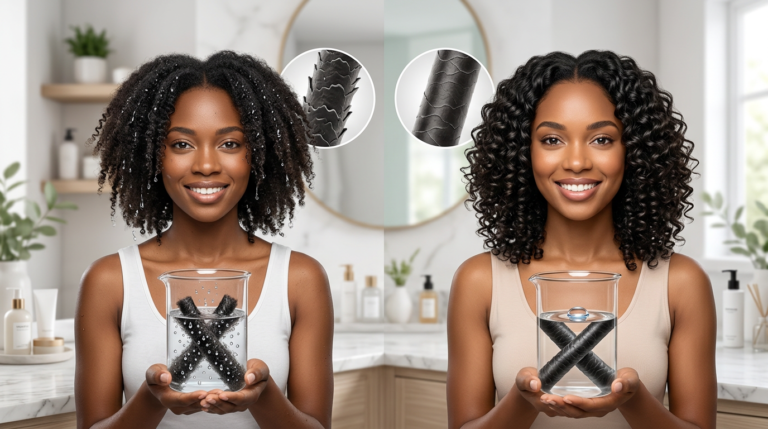
Hair texture covers three separate traits that people often blend:
- Curl pattern: straight, wavy, curly, or coily. This decides how the hair falls and where length stacks up.
- Strand thickness: fine, medium, or coarse. Fine hair reveals scalp easily; coarse hair holds shape well.
- Density: how many strands grow per square inch. Dense hair takes longer to dry and can look bulky when cut blunt.
A square jaw and fine, straight hair call for different choices than the same jaw with dense coils. That is why copying a celebrity cut rarely works — the shape matches, but the texture does not.
The overlap matters. A blunt bob can widen a narrow face, but on fine hair it may look limp and flat. Soft layers suit fine hair, yet on a round face they can add width where you least want it.
[!INSIGHT] Face shape gives you direction; texture sets the limits. A cut that ignores texture will collapse within a week, no matter how well it flatters your face.
Takeaway: treat face shape and texture as two separate filters. A cut has to pass both before it earns a spot on your list.
How do I choose a haircut for my face shape and hair texture? matters
A haircut is one of the few style choices you wear every single day. Unlike a jacket, you cannot take it off at lunch. Getting the pairing right saves you months of awkward growing-out and daily styling battles.
The cost of guessing is real. A cut that fights your texture needs extra heat, product, and time. Fine hair cut too short can look sparse. Curly hair cut with straight-hair techniques can turn into a pyramid. Thick hair cut bluntly can feel like a helmet.
Matching cut to face shape changes how your features read. Long, straight styles visually lengthen a face, which helps a round shape and hurts a long one. Side-swept bangs break up a high forehead. Jaw-length layers soften a strong, square jawline.
Matching cut to texture changes how much work your morning takes. Wavy hair cut in long layers dries into a natural shape. The same hair cut in a rigid bob needs daily flat-ironing to look intentional.
The two filters also prevent expensive mistakes. Your stylist can only work with the hair in front of them. If you arrive with a clear sense of your face shape and curl pattern, you can describe what you want in language they can act on.
There is a longer game too. Hair grows about half an inch a month, so a bad cut can take six months to fully disappear. A well-chosen one grows out gracefully because the shape follows your natural lines. That is the quiet advantage of doing this homework once.
Takeaway: the right cut saves daily styling time and money, and it keeps looking intentional as it grows.
Best practices
Start with a proper consultation. Ask your stylist to name your face shape and texture before you describe what you want. Their view in the chair is more accurate than your mirror check, and it opens the conversation in the right direction.
Then apply the matching rules for your face shape:
- Oval: most cuts work. Keep some volume at the crown and avoid heavy fringe that hides the balanced proportions.
- Round: add height on top and length below the chin. Avoid chin-length blunt bobs that echo the jaw’s width.
- Square: soften sharp corners with soft layers, side-swept bangs, or a slight wave. Strong, straight-across lines emphasize the jaw.
- Heart: a wider forehead and narrow chin benefit from chin-length volume and a side part. Avoid too much height at the crown.
- Diamond: wide cheekbones and a narrow forehead suit forehead-framing bangs and jaw-level volume.
- Oblong: add width at the sides with layers or a fringe. Avoid long, straight, one-length cuts that stretch the face further.
Now layer in texture:
- Fine hair: choose blunt ends and shorter shapes for fullness. Skip heavy layering that thins the ends.
- Thick hair: use soft layers to remove bulk and let the hair move.
- Wavy hair: cut dry where possible so the stylist sees the true pattern. Long layers work with the wave.
- Curly or coily hair: find a stylist who cuts curl by curl or on dry hair. Length shrinks when dry, so leave room.
- Straight hair: blunt lines and sharp bobs hold beautifully. Soft layers can fall flat without styling.
Comparison: a chin-length bob across three textures
Notice how the same cut behaves differently once texture changes.
| Texture | Result | Best adjustment |
|---|---|---|
| Fine, straight | Flat and limp at the ends | Blunt cut, slightly shorter |
| Thick, wavy | Bulky around the jaw | Add internal layers to remove weight |
| Curly | Shrinks well above the chin | Cut longer to allow for shrinkage |
Bring reference photos, but bring the honest version. A photo of someone with a different texture is a mood board, not a blueprint.
Curly and coily hair looks very different when wet. Cutting dry shows the real shape and prevents surprises once the hair dries.
Takeaway: consult first, apply your face shape rules, then adjust every choice for your texture.
Common mistakes to avoid
The most frequent error is choosing a cut by photo alone. A picture captures someone else’s face shape, density, and styling budget. Treat photos as direction, not instructions.
A second mistake is ignoring how much time you will actually style. A precision bob needs daily effort. If you want to wash and go, say so before the first snip. Stylists can build a cut around low-maintenance routines.
Here are the other traps worth knowing:
- Cutting curly hair wet without accounting for shrinkage. Curls can spring up several inches, leaving the cut far shorter than planned.
- Over-layering fine hair. Layers remove weight, and fine hair has little to spare. The ends end up wispy and thin.
- Going too short to “fix” a round face. Extra length below the chin does more for a round face than a very short crop.
- Hiding a strong jaw under a heavy, one-length style. That adds bulk exactly where you wanted less.
- Skipping the fringe decision. Bangs change face framing more than almost any other choice. Decide deliberately, not by default.
- Changing too many things at once. A new length, color, and fringe in one visit makes it hard to know what worked.
If your hair is fine and straight, a heavily layered shag will likely need styling to survive. Say what you are willing to do each morning before the cut begins.
A subtle but common problem is choosing based on a trend rather than your features. Trends can work — they just need translating. A wolf cut on thick waves looks very different from one on fine, straight hair. Ask your stylist how the trend would adapt to your texture before committing.
One last trap: waiting too long between cuts. A shape that worked at week four can look shapeless by week twelve. Book the follow-up before you leave.
Takeaway: skip photo copying, over-layering, and rushed decisions, and be honest about your styling routine.
FAQ
Can I pull off short hair with a round face?
Yes, with the right proportions. Keep length at the jaw or below and add height on top. Very short crops can work if they have volume at the crown and soft, diagonal lines rather than a wide, flat shape.
How often should I get my haircut to maintain the shape?
Most cuts hold their shape for six to eight weeks. Short cuts need closer to four to six. Curly cuts can stretch to ten or twelve weeks because shrinkage hides growth.
Does hair texture change with age?
It often does. Many people notice thinner strands or a shift toward wave or curl over time. Reassess your cut every few years rather than assuming the shape that worked at twenty-five still fits.
Are bangs a good idea for every face shape?
No. Bangs suit heart, oblong, and diamond shapes well. Round and square faces need softer, side-swept versions. Fine hair needs fewer, thicker bangs to avoid a sparse look.
What should I bring to a consultation?
Two or three photos that show your face shape and texture, plus a note of your daily styling time. Tell the stylist what you disliked about past cuts. That information shapes the result more than any photo.
Conclusion
The winning formula is simple: match the cut to your face shape for proportion, then adjust it for texture, density, and styling time. Oval
al and round faces, fine and curly hair — each trait points toward specific choices you can now name with confidence. The result should feel easy to wear, not like a daily project.
Your next step is a real consultation. Book with a stylist who works with your texture, arrive with photos, and describe your routine honestly. You will leave with a cut that flatters your face and works with the hair you actually have.