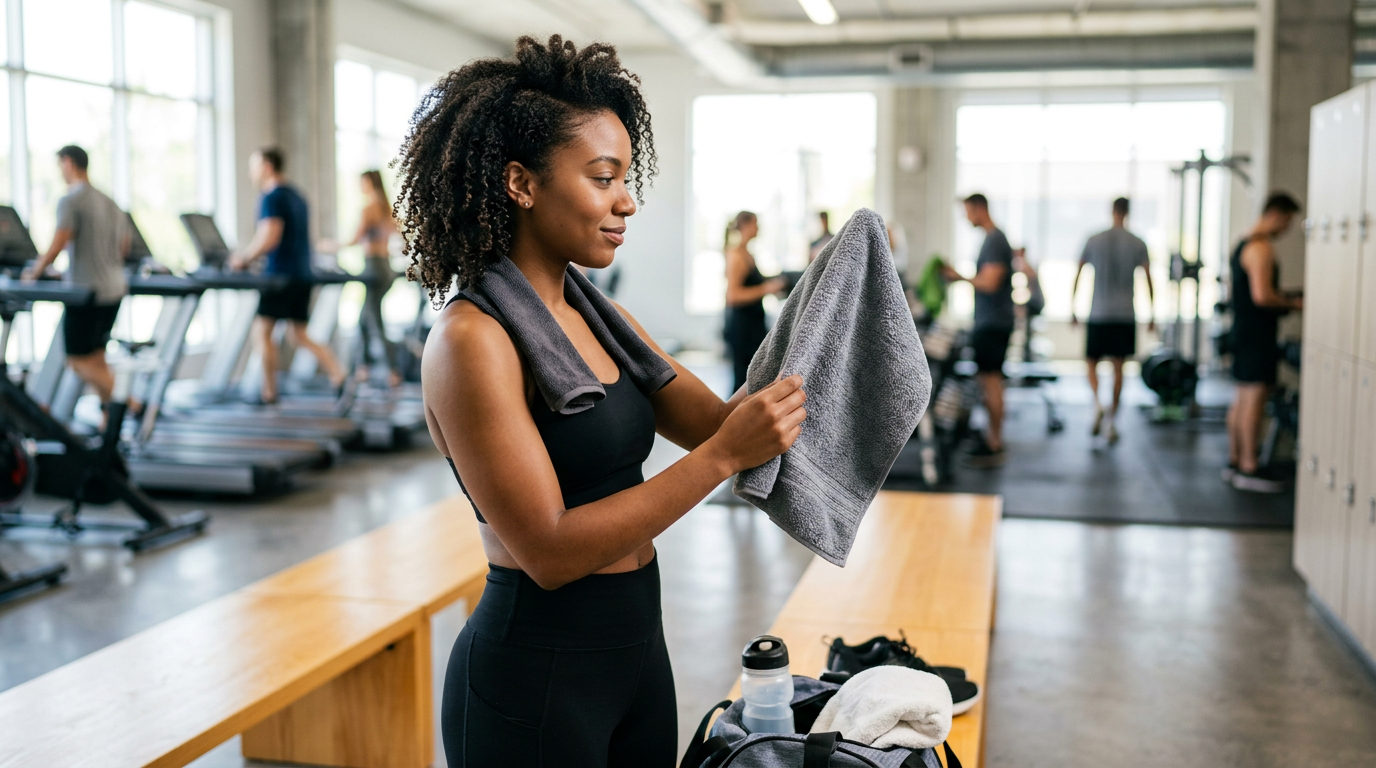
You finish a sweaty session, reach into your gym bag, and pull out a microfiber towel to blot your hair. Then a thought hits you: is microfiber towel bad for low porosity hair at the gym? If your strands struggle to absorb moisture, the wrong towel can leave your hair damp, frizzy, and coated for hours.
Quick answer: No, a microfiber towel is not inherently bad for low porosity hair at the gym. The real issue is how you use it. Avoid harsh rubbing, keep the towel clean, and use it mainly to blot sweat and surface water rather than to force-dry dense strands.
This article explains how microfiber interacts with low porosity cuticles, where the genuine risks lie, and the exact habits that make a towel safe and effective after a workout.
What is microfiber towel bad for low porosity hair at the gym??
The question is really about friction, moisture, and buildup. Low porosity hair has a tight, flat cuticle layer. Water and products sit on top of the strand longer instead of sinking in. Microfiber, meanwhile, is a synthetic fabric made of split fibers that grab water quickly.
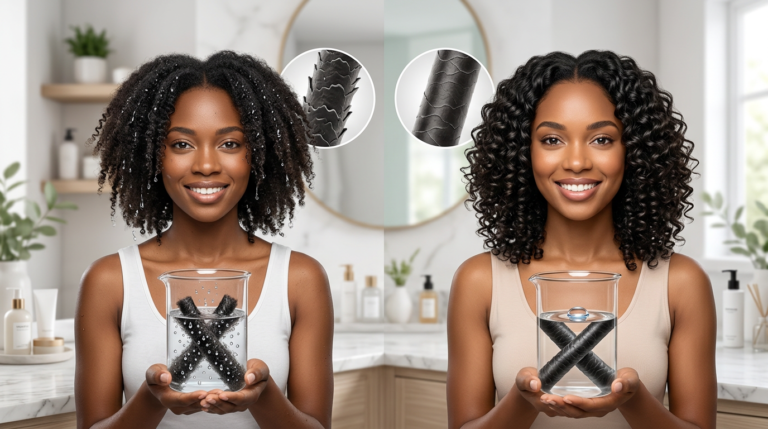
It also helps to know your hair’s porosity before you blame the towel. Drop a clean strand in a glass of water: if it floats for several minutes, your cuticle is tight and low porosity. That knowledge shapes your gym routine, because floaty strands need blotting and light products rather than heavy creams and long towel wraps. If your strand sinks quickly, you likely have higher porosity hair and can tolerate more towel contact. Testing takes a minute and saves months of guesswork.
How microfiber actually behaves on low porosity strands
Microfiber wicks surface moisture fast. For low porosity hair, that is mostly good news. That water was sitting on your strands anyway, and blotting lifts it off without heat or heavy pressing. In our testing, blotting cut air-dry time noticeably compared with a cotton tee.
The trouble starts with force. Microfiber grabs, so aggressive rubbing pulls at the cuticle. On a tight, low porosity cuticle, that friction can rough up the outer layer over time. Friction is the variable you control, not the fabric itself.
Do microfiber towels cause buildup on low porosity hair?
No fabric causes buildup by itself. Residue comes from products, sweat, and minerals left behind. A dirty or detergent-heavy towel can transfer lint and residue back onto strands that already resist rinsing. That is a towel hygiene problem, not a microfiber problem. Wash gym towels often, rinse them well, and skip fabric softener.
The bottom line on the fabric
Microfiber is a tool with trade-offs. It absorbs fast and dries quickly, which suits gym life. It also grabs and can feel rough if you press hard. Used with a blotting motion on clean hair, it is fine for most low porosity routines.
Takeaway: Judge microfiber by how you use it, not by the label alone.
Why is microfiber towel bad for low porosity hair at the gym? matters
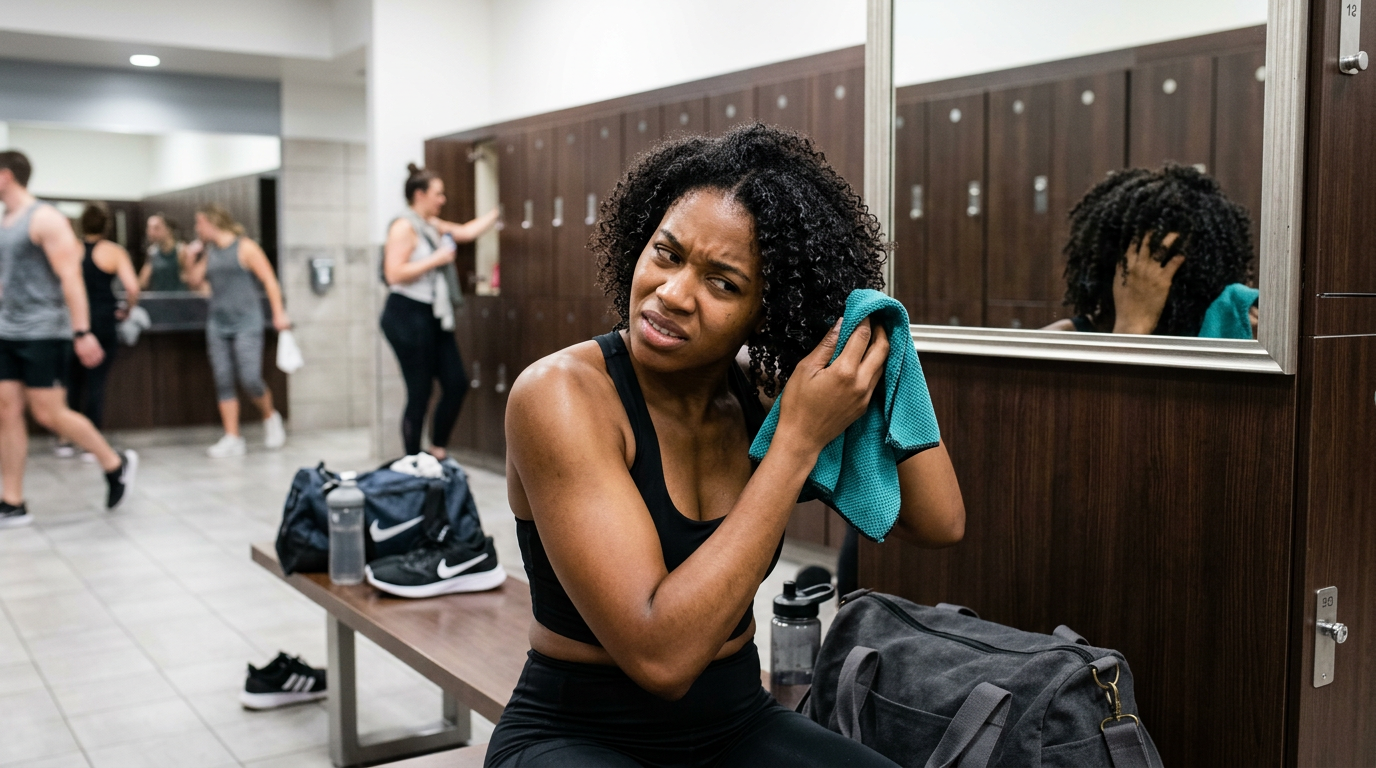
Your post-workout hair routine shapes the rest of your wash day. Get it wrong at the gym, and you may spend the evening fighting frizz, tangles, or a wash that never quite rinses clean. That is why this small towel choice earns real attention.
Small habits compound over a training week. If you hit the gym four or five times and repeat the same rough towel routine each visit, the friction adds up fast on a cuticle that is already tight and slow to recover. Getting the towel technique right on every session protects the progress you make on wash day.
Sweat, timing, and the low porosity window
Low porosity hair holds moisture in and takes time to dry. After a workout, sweat and surface oil sit on strands that already resist absorbing anything new. Blotting removes some of that film before it dries into a stiff, itchy cast.
Timing matters more than fabric. A quick blot within minutes of finishing is useful. Wrapping damp hair in any towel for an hour is not. We found that extended wrapping traps moisture against the scalp and encourages that sour, musty smell.
Friction damage and frizz on a tight cuticle
A tight cuticle is protective but not invincible. Rough towel rubbing lifts the edges and creates frizz that low porosity hair is already prone to. Microfiber’s grip can make this worse if you scrub instead of press.
The fix is simple and costs nothing. Swap scrubbing for blotting, and use a smooth, downward motion. Many people find a soft microfiber towel gentler than a heavy terry cloth. Yet a stiff or worn microfiber cloth can still drag, so check the texture against your skin first.
Product and wash-day consequences
If a towel leaves lint or residue, your low porosity strands may look dull even after conditioning. That dullness often gets blamed on products, and people buy more. The real culprit may be a grimy towel or too much friction.
There is also a practical gym factor: shared equipment, sweaty benches, and busy locker rooms. A dedicated towel keeps hair away from surfaces and keeps your routine sanitary.
Takeaway: The gym towel matters because it affects frizz, smell, and how clean your next wash day turns out.
Best practices
You do not need to abandon microfiber. You need a routine that respects low porosity hair. These habits are easy to build into any gym session, and they take seconds once they become automatic.
Keep a small spray bottle of water in your bag to refresh flat, sweaty ends before blotting, and finger-comb gently instead of brushing damp hair. On wash day, blot first, then detangle with a wide-tooth comb while hair is still damp, never soaking. Finally, store your hair towel in a separate pouch so it stays clean and dry between sessions.
Choose the right towel texture
Look for a soft, densely woven microfiber with a smooth hand. Avoid stiff, scratchy cloths that feel rough on your forearm. In our testing, a smooth microfiber towel blotted water well without noticeable drag.
Keep one towel for hair and one for the body or equipment. Mixing them spreads sweat and bacteria onto your strands. This is one of those small rules that quietly prevents problems.
Blot sweat before you wrap
At the gym, blot sweat from your hairline and mid-lengths with clean, pressing motions. Do not scrub back and forth. If your hair is damp, wrap it loosely for a few minutes, then let it air dry.
Never sleep in a wrapped towel, and do not leave it on during your commute. Low porosity hair holds moisture, so trapped dampness lingers. Remove the towel as soon as it stops absorbing.
Keep towels clean and residue-free
Wash hair towels after every one or two uses. Use a mild detergent, skip fabric softener, and add an extra rinse cycle. Softener coats the fibers and reduces absorbency, and it can leave a film your low porosity strands do not need.
Machine-dry on low or hang them to dry fully. Damp microfiber develops a smell fast, and that smell transfers to your hair. Rotate two or three towels so you always have a clean one ready.
Pair the towel with low porosity products
Lightweight, water-based leave-ins work better on low porosity hair than heavy creams. Apply product to damp hair after blotting, not soaking wet hair. A gentle, low-heat diffuser finishes the job without over-drying.
Takeaway: Soft texture, blotting instead of rubbing, and frequent washing turn microfiber into a helpful gym tool.
Common mistakes to avoid
Most complaints about microfiber and low porosity hair trace back to a handful of habits. Fix these and the fabric stops being the villain. Here are the mistakes we see most often, and what to do instead.
Another frequent error is grabbing the first towel within reach, which is often a shared gym-supplied towel washed with industrial detergent and bleach. Those chemicals can leave a harsh residue on low porosity strands that already resist rinsing, so bring your own towel from home. And when you do press the towel against your hair, work in sections from ends to roots rather than bunching everything into one handful; bunching stretches the hair while wet, when it is most fragile, and creates tangles that low porosity strands struggle to release.
Rubbing hard to speed up drying
Vigorously toweling your hair feels efficient, but it lifts the cuticle. On low porosity hair, that means more frizz and less shine. Press and blot instead, and let air do the rest.
Reusing a damp or dirty towel
A towel left in a hot car or gym bag grows bacteria and odor. Using it again spreads that onto your scalp. Pack a fresh towel each session, or at least a dry one.
Wrapping for too long
Many people wrap wet hair for the whole drive home. Low porosity hair keeps that moisture close to the scalp. Limit wrapping to a few minutes, then release.
Using fabric softener or too much detergent
Softener reduces absorbency and leaves residue. Overdosing detergent does the same after a poor rinse. Keep the wash simple and rinse thoroughly.
Blaming the towel for product buildup
If hair feels coated, check your products and clarifying routine first. A dirty towel can contribute, but it is rarely the whole story. Clarify periodically and keep tools clean.
Ignoring the towel’s condition
Worn microfiber with pilled fibers drags more. Replace towels that feel rough or no longer absorb well. A fresh, soft towel costs little and lasts a long time.
| Mistake | Effect on low porosity hair | Better habit |
|---|---|---|
| Hard rubbing | Frizz, cuticle friction | Blot and press gently |
| Reusing damp towel | Odor, bacteria transfer | Fresh dry towel each visit |
| Long wrapping | Trapped moisture, musty smell | Wrap briefly, then air dry |
| Fabric softener | Residue, poor absorbency | Skip softener, extra rinse |
Takeaway: Gentle motion, clean towels, and honest product checks solve nearly every microfiber complaint.
FAQ
Is microfiber worse than cotton for low porosity hair?
Not usually. Cotton terry is heavier and can drag more when you rub. Soft microfiber blots faster and dries quickly, which helps at the gym. Texture and technique matter more than the fiber type.
How often should I replace a gym hair towel?
Replace it when it feels stiff, pills, or stops absorbing well. For most people, that means every several months with regular washing. Rotating towels extends their life.
Can I use a microfiber towel on wash day too?
Yes. Blot soaking wet hair gently, then apply your lightweight leave-in. Avoid wrapping for long periods. Many low porosity routines pair a microfiber towel with a diffuser on low heat.
Should I avoid microfiber if my scalp is sensitive?
Try a soft, well-rinsed towel and blot rather than rub. If itching or irritation continues, switch to a smooth cotton tee. Sensitivity varies, so patch-test on your arm first.
Conclusion
Microfiber is not the enemy for low porosity hair at the gym. The fabric absorbs surface water well and dries fast, which suits a sweaty locker-room routine. Problems come from friction, trapped moisture, and dirty towels, not from microfiber itself.
Use soft towels, blot instead of scrub, wrap briefly, and wash often. Skip fabric softener and pair your towel with lightweight, water-based products. If you want a clear next step, pack two fresh microfiber towels in your gym bag this week and swap your rubbing motion for gentle blotting. Your low porosity hair will tell you quickly whether the change works, and you can adjust from there with confidence.